Going back to school after years on set
Moving from Dubai to America and the American Film Institute
I entered AFI in 2017 and graduated with the class of 2019. Going back as an adult meant bringing practical camera experience into a place where I could examine what I wanted to do with it.

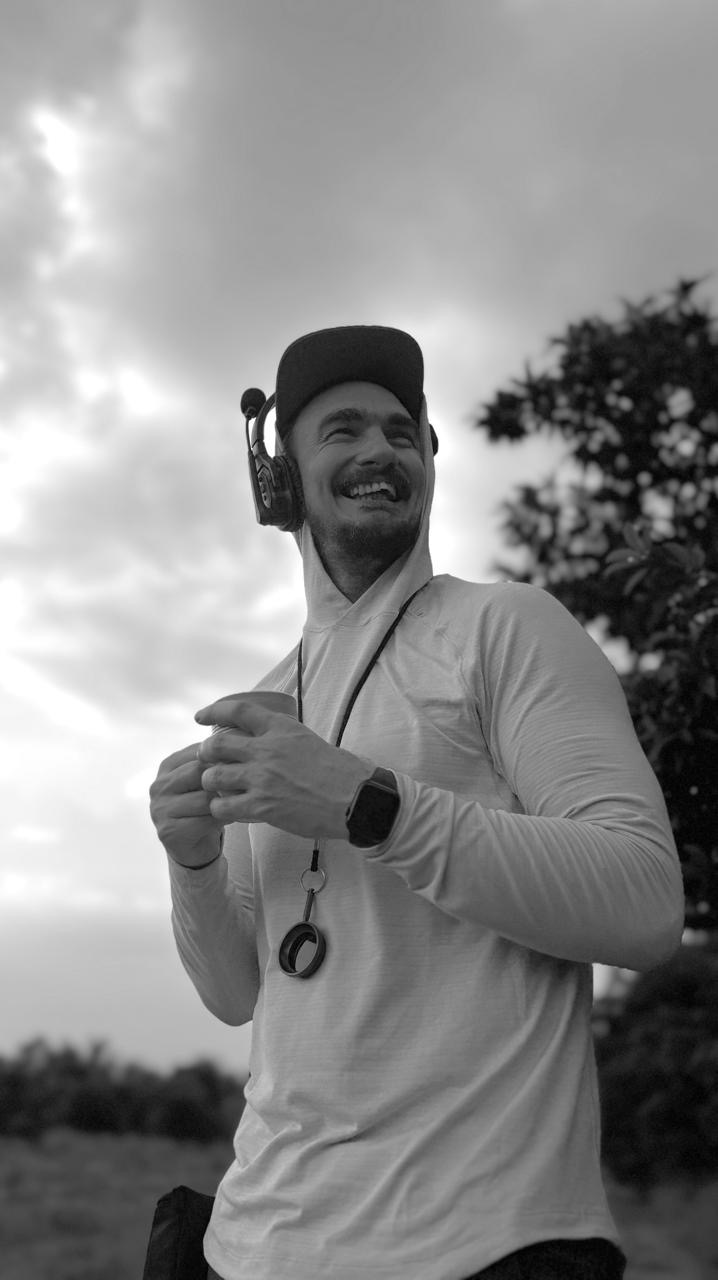
By the time I moved from Dubai to America and entered the American Film Institute in 2017, I already had a working life in camera departments behind me. I wasn't coming to film school to find out whether I liked being on set. I was returning to the classroom as an adult, with experience I wanted to build on. I graduated with AFI's class of 2019. The move sits between two parts of my career that make more sense when they are read together.
Experience came into the classroom with me
My starting point was the practical side of an image: preparing cameras at Filmquip Media, then working in Dubai's production industry, including Jetman and aerial filming. That gave me something concrete to bring back to school. Equipment, crew, time, and the conditions around a shot were already part of how I understood filmmaking.
Returning as an adult meant I also had habits to examine. Knowing a workable answer is valuable on set. In a classroom, I wanted to ask why it was the answer I reached for. Was I choosing something because it belonged to the scene, or because I knew how to make it happen? That is still a useful question for me, especially when familiarity makes a decision feel settled before I have really looked at it.
Making the shot and making the scene
The distinction I keep coming back to is between a shot that works on its own and a shot that does its job in the scene. A close view can make an action legible. It can also reveal something before the story needs it. A wider view can establish a place, or leave a character isolated inside it. The equipment can execute either choice; the scene has to give me the reason.
That is what I wanted to bring my on-set experience toward. I could take the practical problem seriously while spending more attention on the dramatic one. A lens, a camera position, and a lighting decision all affect what the audience understands. For me, going back to school was a way to give those questions sustained attention, with an existing trade underneath them.
Feeder records that point in the journey
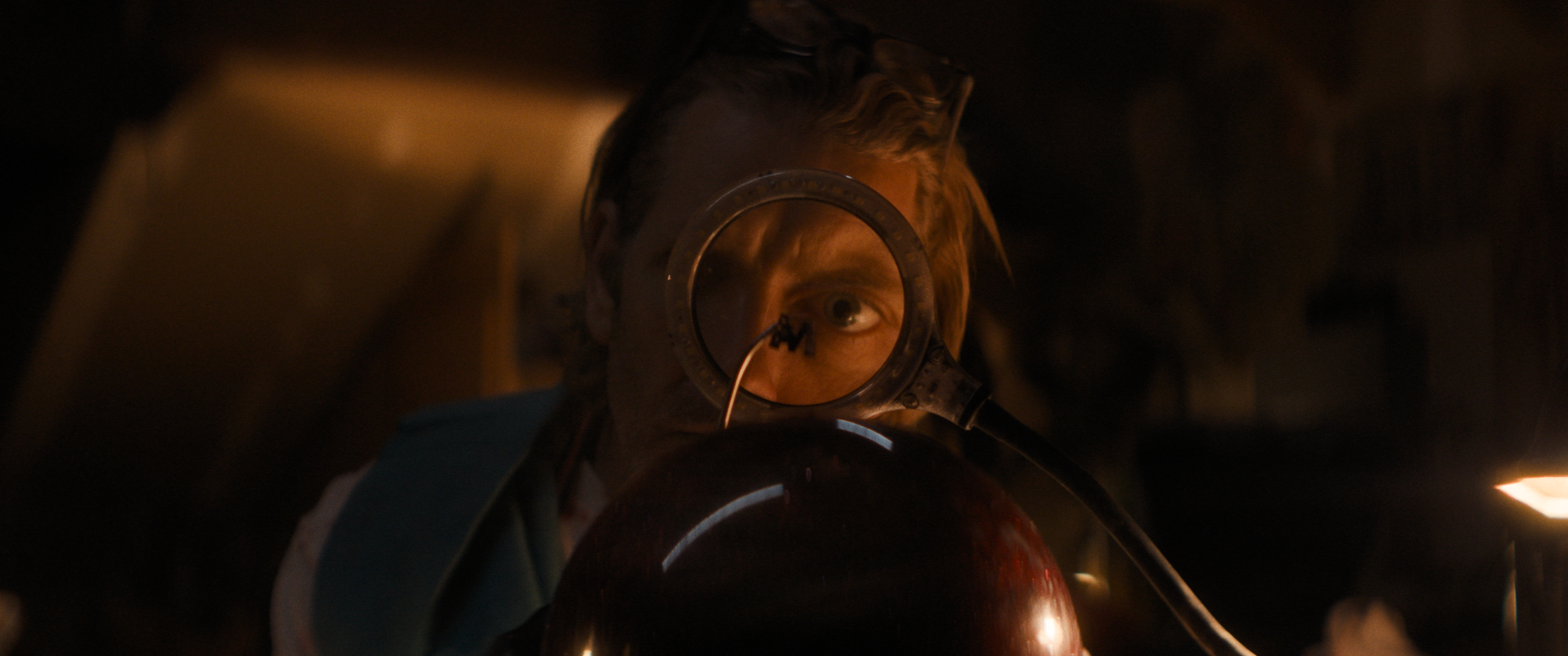
The original campaign for Thomas Simon's short film Feeder describes me as a cinematographer from a technical background who entered AFI in 2017 and was then completing a master's degree in cinematography. It is a useful record of that period: professional experience and study appearing in the same biography, while another film was taking shape.
Feeder now has its own page in this catalogue, including the film and credits. Bowlhead, another short directed by Thomas Simon, is linked alongside it as later narrative work. They give this account something tangible to point toward. I would rather have a reader watch those films and look at their images than ask a paragraph about film school to stand in for the work that followed.
The next question is about authorship
AFI belongs between my Dubai work and the life I have built in America. I value having come to it with experience. I also value having gone back to being a student. The two are compatible: I can know how to solve a camera problem and still need time to understand which image I want to make.
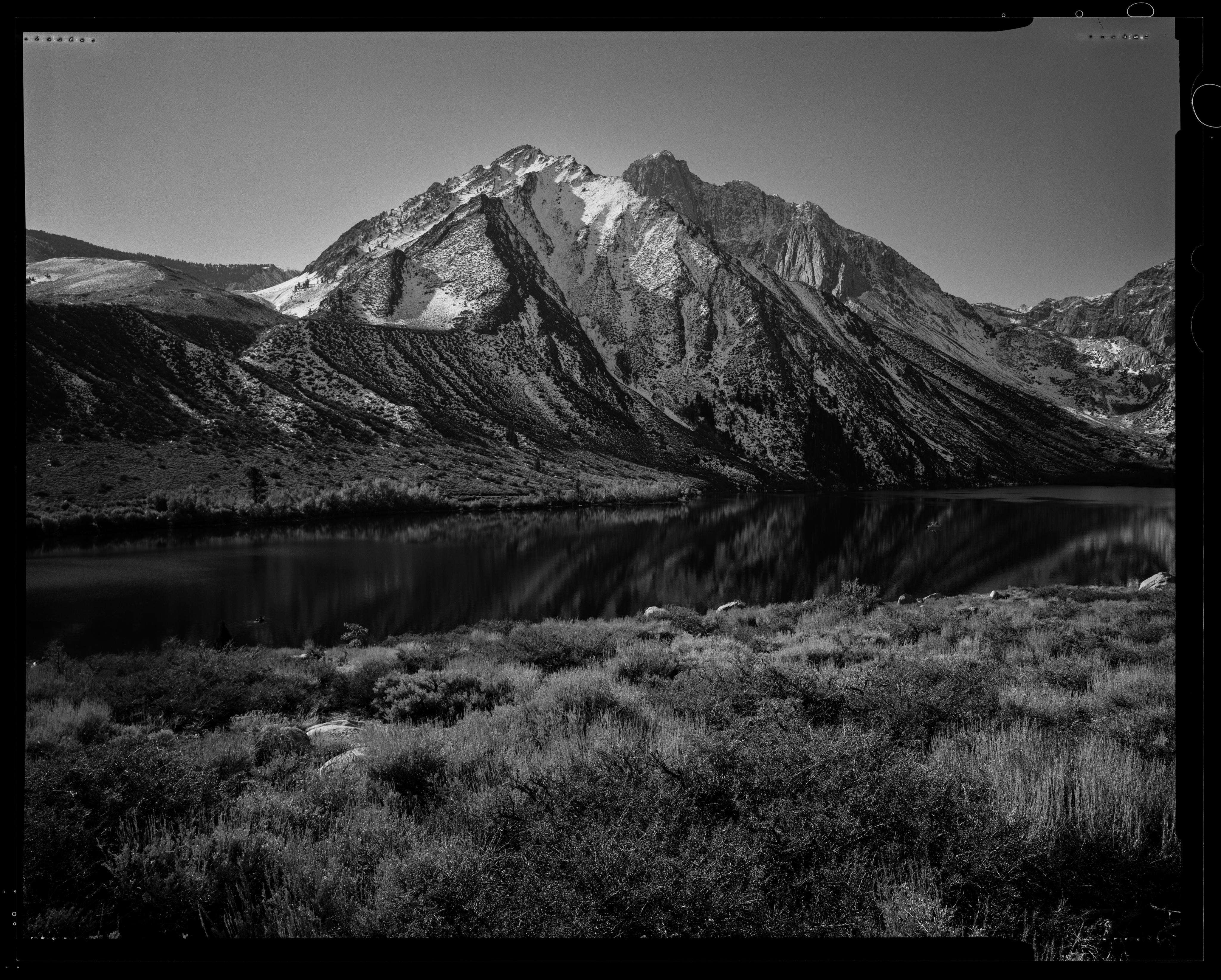
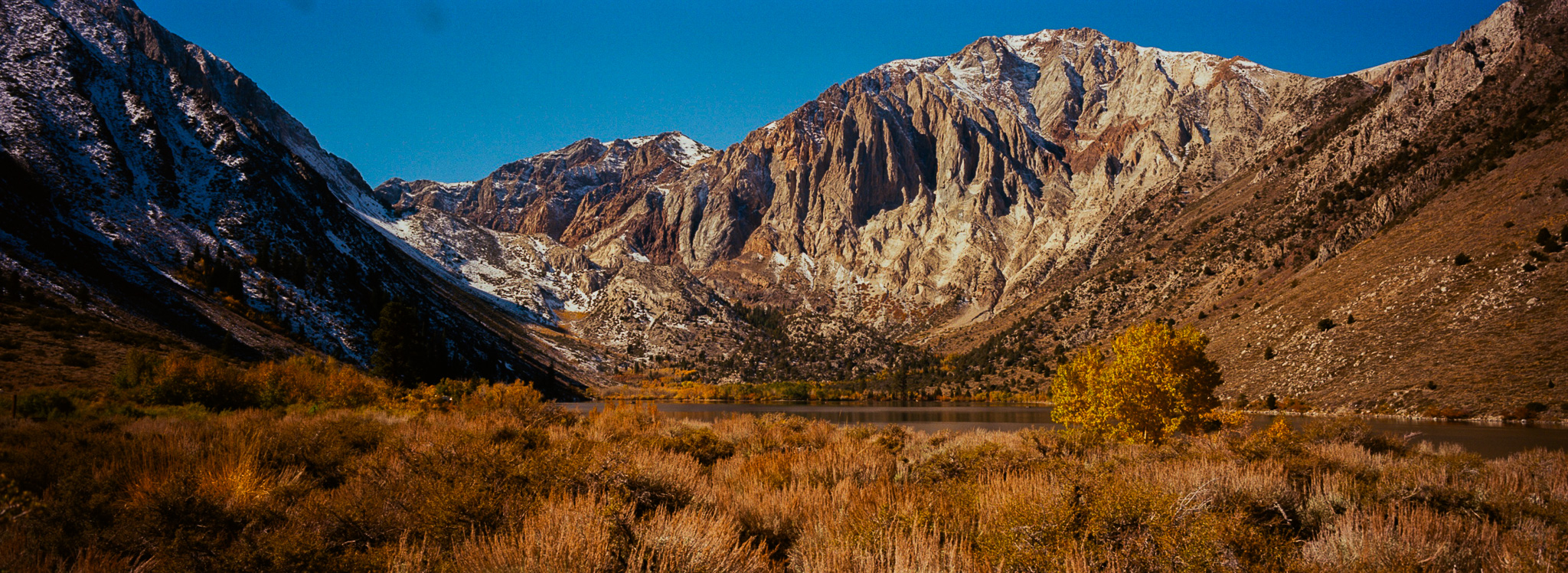
That question now extends into my photography. In film, my decisions become part of a shared work. With a photograph, I can choose the subject, return to it, edit the result, and carry the image toward a print. My growing interest in large format comes partly from wanting that continuity. It is another step in the same education, with a different kind of responsibility for where the image ends up.
Share this entry