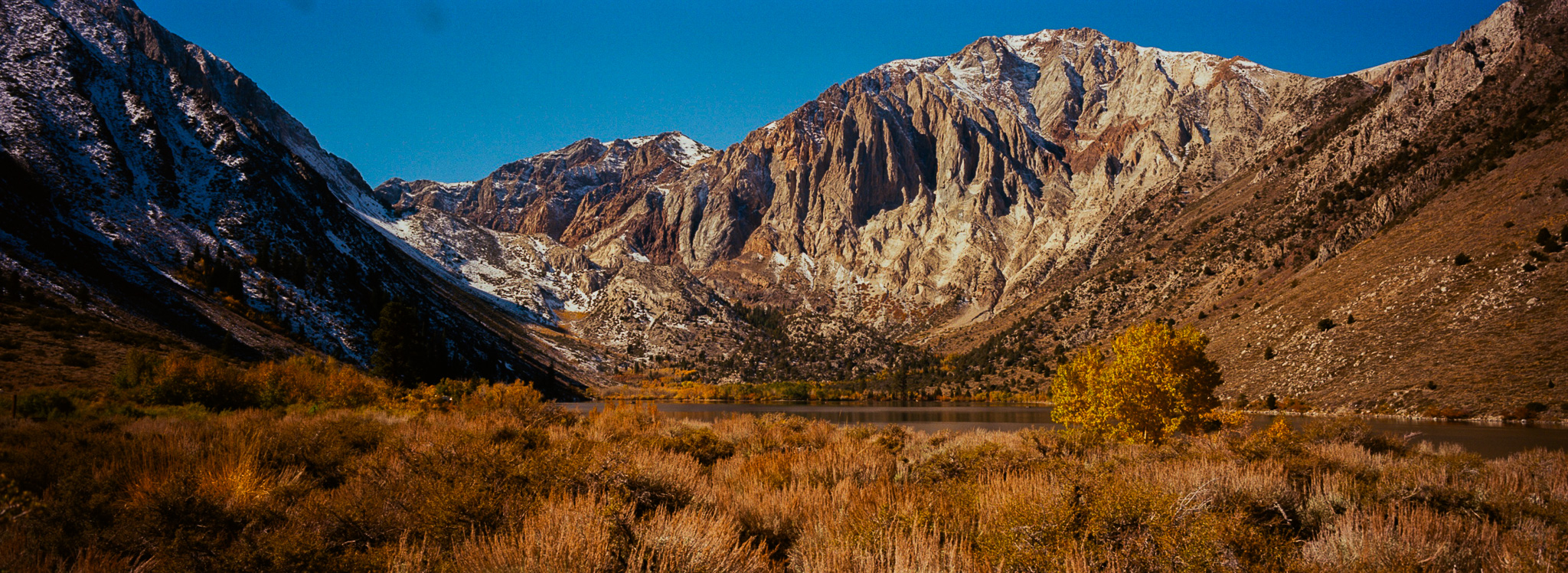
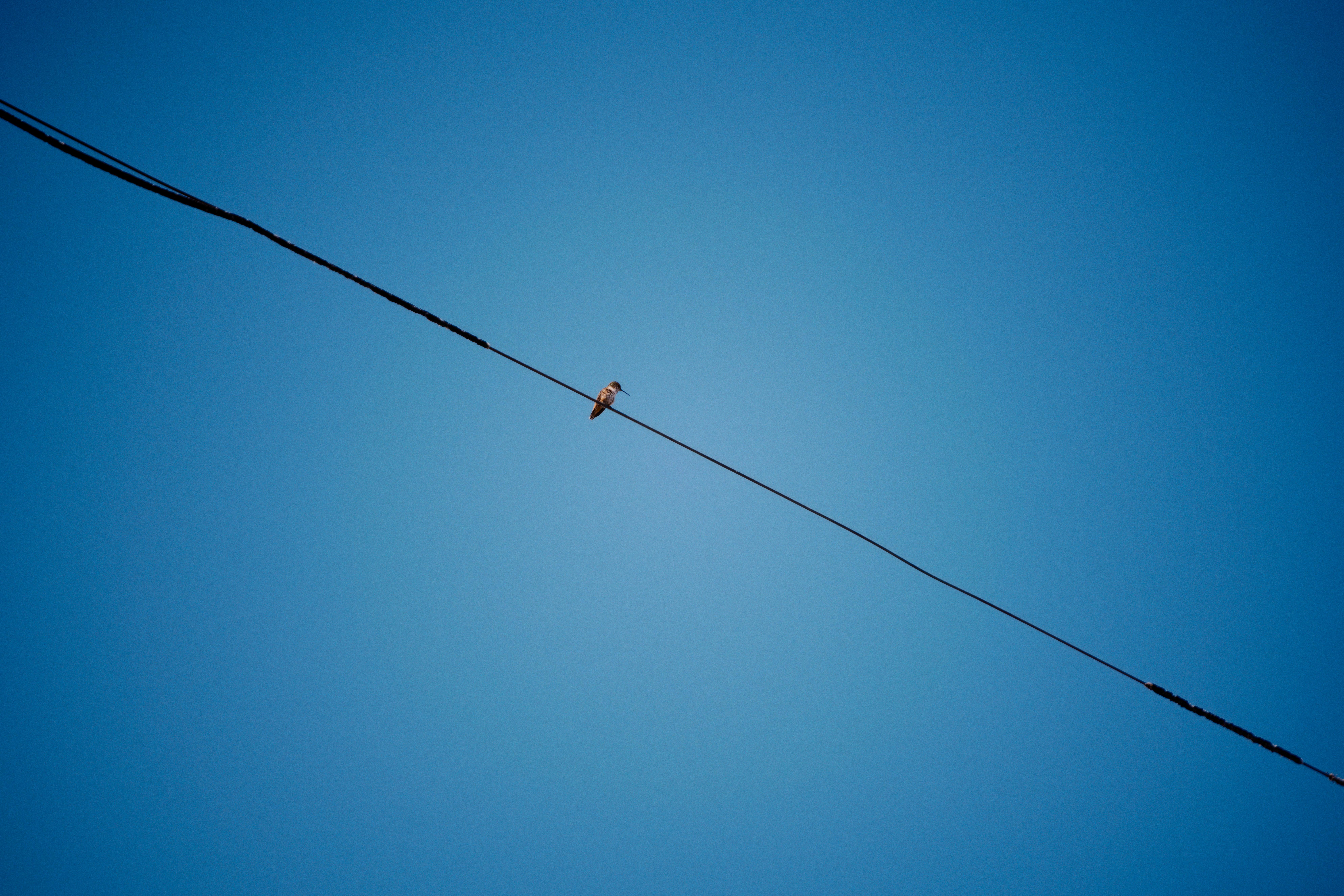
The scene says dawn. The schedule says afternoon.
The filmmaking problem behind my cineOS notes
A script breakdown becomes useful when it exposes a decision the crew still has to make. One line in my cineOS notes explains the product better than the pitch.


There is a line in my early cineOS user-flow notes about comparing scheduled shooting time with the available sunlight at a location, then identifying scenes being shot outside their story time. It is more specific than most of the surrounding product language, and more useful. Imagine a dawn scene scheduled for the afternoon. Extracting the word “dawn” from the screenplay is the easy part. What happens next is the filmmaking problem.
The mismatch has consequences
That dawn scene is an example, not an account of a particular production. It makes the question clear: can the schedule move, can the location offer a useful orientation or cover, or does the lighting approach need to change? My notes put a meeting about possible schedule adjustments before the equipment changes needed to accommodate what remains.
That order matters. It would be easy to turn a breakdown into an equipment request before asking whether a different shooting time solves the problem. It would be just as easy to produce a neat schedule without showing the cinematographer what has changed. The useful output is a visible discrepancy that the right people can discuss while they still have options.
A reference needs to stay connected to a decision
The same notes begin much earlier in prep: first reactions to the script, the initial conversation with the director, research, a reference library, and the visual rules for the film. Shot lists, location plans, lighting plans, equipment, and image-pipeline tests follow. I was trying to describe how a creative intention becomes a set of things other people can act on.
A reference image can start that conversation, but the reason for choosing it matters. If it belongs to a particular set or scene, that relationship needs to remain visible when somebody is working on the shot list or the lighting plan. Otherwise the image survives as inspiration while the decision it was meant to support disappears into a separate conversation.
A revised script is the real test
The early requirements include bringing in new script versions and allowing a cinematographer to review and modify an automated breakdown. I would judge that idea by what happens after prep has already begun. Consider a revision that changes a scene's time of day after references and shots have been discussed. The system needs to help find the affected work, not simply produce another clean scene list.
That is a design requirement, not a claim that cineOS already does it. A useful review would distinguish the changed script information from the decisions that now need another look. A location may still be right. A lighting plan may not. Software can gather the affected material, but whether the visual idea still serves the scene is a conversation for the filmmakers.
Keep the ambition testable
The notes extend into shooting: camera reports, photographs of the set for lighting reference, updates to shots that have been completed, and dailies notes for look adjustments. Each is a possible connection back to prep. A report becomes more valuable when the next person can find the scene, the intended approach, and what actually happened.
cineOS remains a development effort. The question I want to keep asking is whether a filmmaker can follow one decision through it: from the script, to a reference, to a discussion, to a plan, and eventually to the photographed result. The dawn-versus-afternoon example is a good place to start. If the system cannot make that conflict clear enough to resolve, a larger feature list will not make it more useful on a film.
Share this entry