Street Light: photographing the interval
A series idea from the road between Los Angeles and Mammoth
The subject is the brief relationship between a street lamp and the light around it. My project notes begin with when to return.


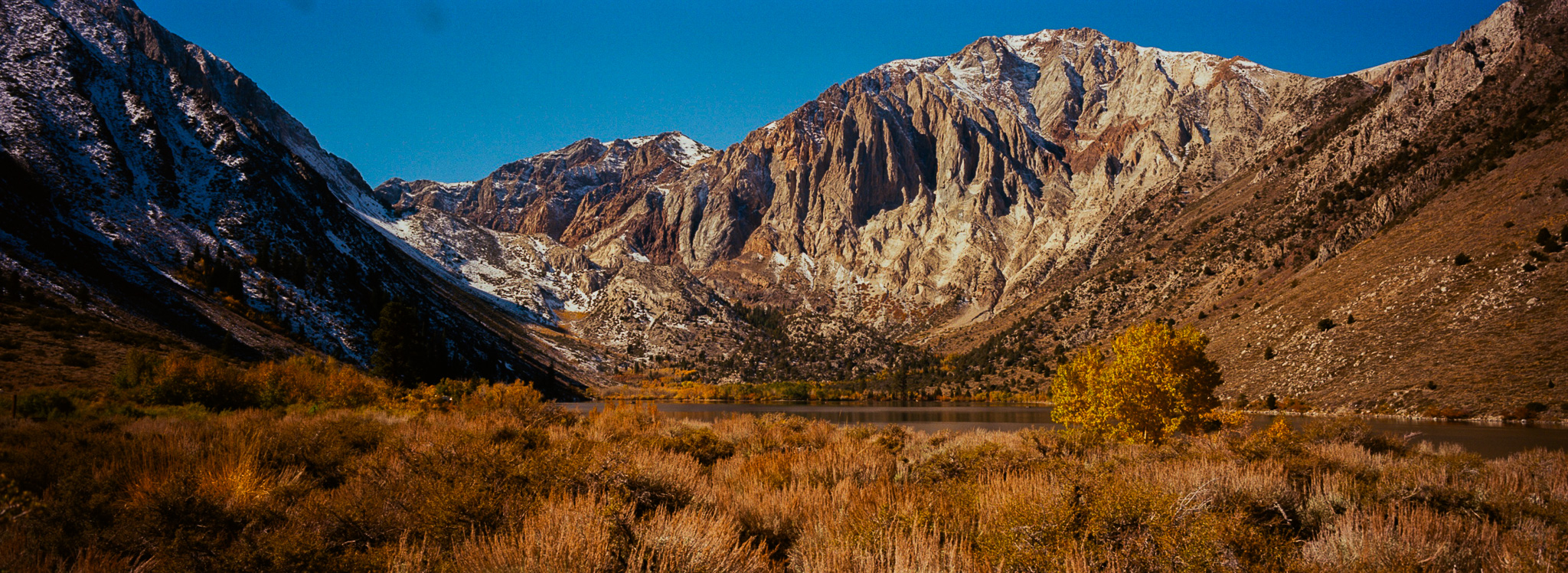
Street Light began as a project idea after the Mammoth trip and location scouting around Los Angeles in autumn 2025. I wanted to photograph isolated street lights in the interval when the surrounding landscape still had light of its own. The October project document is a plan, not a record of a completed series. Reading it again, the useful question is very practical: when does a place I noticed from the road become the photograph I had in mind?
The lamp alone isn't the subject
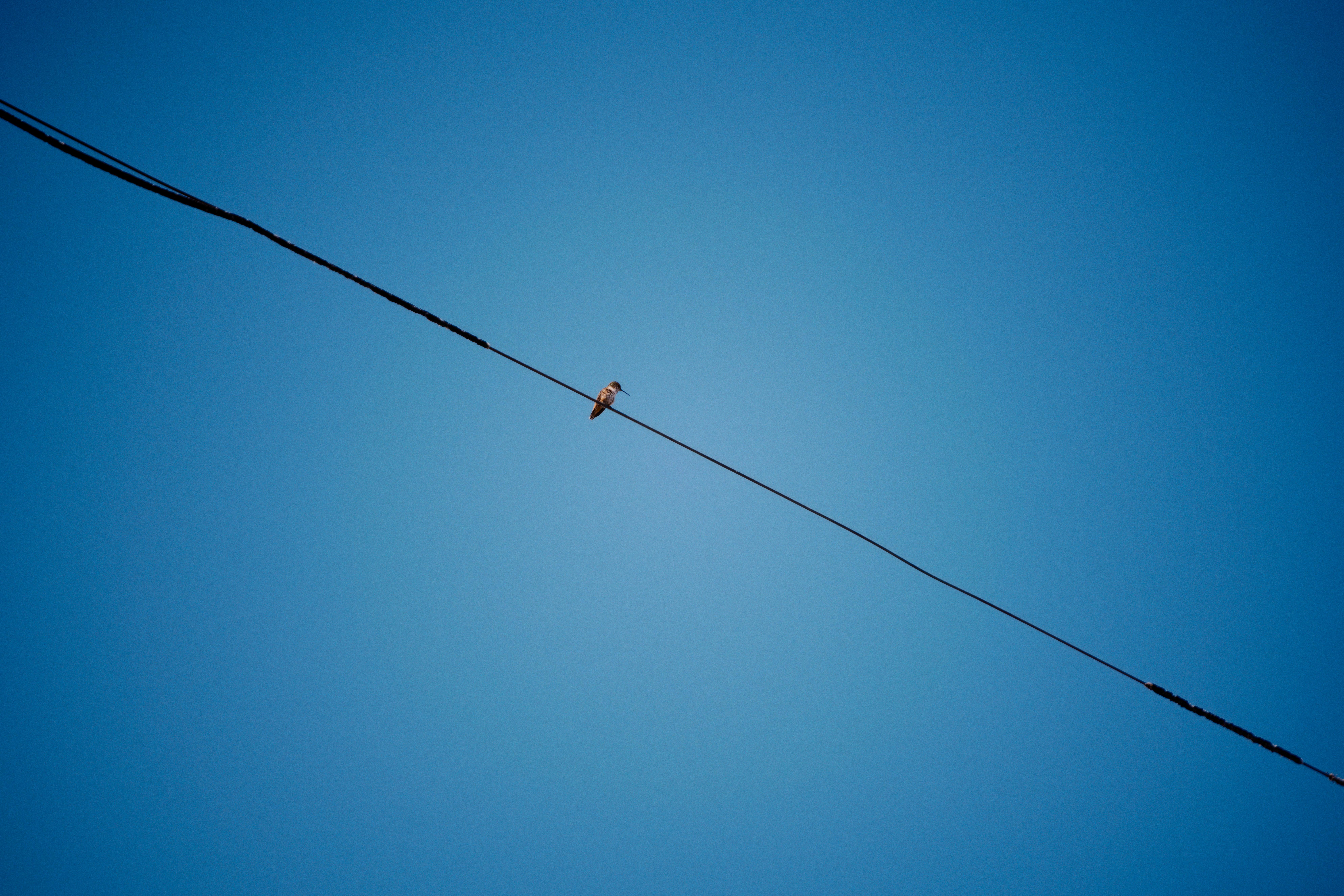
The idea depends on a relationship. A lamp can anchor the frame while the land around it supplies scale and context. In full daylight, the artificial light may barely register. Later, the landscape can lose the detail that made the location interesting. I am looking for the interval in which both remain part of the picture.
My notes describe the edges of Los Angeles, remote roads, and the Highway 395 corridor. These places appealed because a modest piece of infrastructure could sit against a much larger landscape. The photograph would need enough information to make that relationship readable: where the road goes, what surrounds the light, and how far the illuminated space extends.
Scouting has to produce a return plan
The proposed location list included the coast north of Los Angeles, Angeles Crest, and the desert edge around Antelope Valley. Those were candidates, not completed stops in a finished body of work. The scouting instructions were to look in daylight, note the background and access, and return around the change of light.
A daytime reference picture can record a composition. It cannot settle the timing. For a return visit I would want a camera position, a sense of where the remaining sky light falls, and an understanding of when the lamp is actually on. Arriving with only a location pin leaves most of the photographic problem unanswered. The location note should help me decide where to stand and what I need to observe when I get there.
Use the first attempt to learn something repeatable
The plan paired 4×5 with the Sony a7R, with the XPan as another possible way of working with the width of a street scene. I wanted the digital camera available for scouting and alternate views. The large-format kit needed the changes already identified after Mammoth: more film capacity, a loupe, and a clear separation of exposed and unexposed sheets.
The written plan calls for recording location, time, exposure, lens, and stock. Those details matter more to this series than a universal recipe for twilight. If an attempt doesn't give me the balance I want, I need to know what to change on the next visit. A frame made several minutes earlier might answer a different question from a longer exposure made after the ambient light has fallen away.
A series needs a reason to keep returning
The October document contains target image counts and possible shoot dates. Neither proves that the series has been made. The part I want to carry forward is the test: can the relationship between a small light and its surroundings sustain a group of pictures, with enough variation to reward looking at more than one?
That is why the project still interests me. It offers a concrete reason to revisit a place and compare what happened. The same lamp, a different amount of sky light, a changed point of view. I can begin with a manageable photographic question and let the results decide whether it grows into a series. The next useful step is another observed attempt, with notes I can learn from.
Share this entry